
If you want to improve your performance at work, the solution isn't about logging more hours. It’s about working smarter. This means taking a holistic look at diagnosing your unique productivity blockers, building powerful daily routines, and optimizing your environment to support your goals.
Your Blueprint for Sustainable High Performance

We've all been there—feeling busy but not actually productive. It's easy to fall into the trap of thinking that more time at your desk automatically translates to better results. In reality, that path usually leads to burnout, not breakthroughs.
True, sustainable high performance comes from a much more strategic and self-aware place. This guide is your practical roadmap to not just getting more done, but feeling more accomplished and energized while you do it.
Instead of chasing quick fixes, this framework provides a solid structure built on self-awareness, foundational habits, and strategic action. We'll start by figuring out what's really holding you back and then build the routines to overcome it.
The Four Pillars of Performance
To really make sense of how to improve work performance, it helps to break the challenge down into four core areas. Think of them as the legs of a table—if one is weak, the whole thing becomes wobbly and unreliable.
The table below provides a quick overview of the core strategies covered in this guide. The goal is to help you enhance productivity and professional effectiveness in a sustainable way, without burning out.
The Four Pillars of Improved Work Performance
| Pillar | Core Focus | Key Action |
|---|---|---|
| Self-Awareness & Goal Setting | Understanding your starting point. | Honestly assess your current strengths and weaknesses to set clear, meaningful goals. |
| Foundational Habits | Fueling your mind and body. | Prioritize the non-negotiables: sleep, nutrition, and exercise to boost cognitive function. |
| Strategic Execution | Mastering your day-to-day work. | Use techniques like time blocking, optimize your workspace, and improve communication. |
| Continuous Improvement | Committing to long-term growth. | Regularly track your progress, actively seek out feedback, and create a personal development plan. |
By focusing on these four areas, you create a balanced system for growth that supports you both professionally and personally.
The goal isn’t to achieve perfection overnight. Instead, focus on making small, incremental changes in these key areas. A 1% improvement each day compounds into significant gains over time, creating momentum that feels natural rather than forced.
Our guide on how to increase productivity at work offers more detailed tactics for the Strategic Execution pillar.
Ultimately, this blueprint is about creating a personalized system that works for you. A great next step is to formalize your intentions. To build a personal roadmap for accelerating your career growth and performance, learn more about how to write a development plan and turn these concepts into concrete, actionable steps.
Getting Real with an Honest Performance Self-Audit
Before you can genuinely improve, you have to know where you stand. Jumping into a bunch of new productivity hacks without a clear picture of what’s actually holding you back is like trying to navigate a new city without a map.
This first step isn’t about beating yourself up; it’s about getting curious about your own work patterns and habits. It's about turning that vague feeling of being "stuck" into something concrete you can actually work on.
Moving Beyond Vague Feelings
Most of us have a general sense of our shortcomings. We know we get distracted, miss a deadline here and there, or feel buried by our inbox. But those feelings aren't actionable.
The real magic happens when you start asking better questions.
Instead of just saying, "I procrastinate too much," dig a little deeper:
- When do I lose focus? Is it that 2 p.m. slump? Or does it happen every time I have to start a complex, unstructured project?
- What specific tasks do I keep putting off? Are they the analytical ones? The creative ones? The ones that require collaboration?
- What's the real reason? Is it a lack of clarity on what to do next? A fear of not doing it perfectly? Or just a sign of burnout?
This shift is everything. It's how you find the real leverage points for improvement. For instance, realizing you only procrastinate on tasks that lack a clear brief points to a communication issue, not a personal failing.
An effective self-audit isn’t about judging your past performance. It’s about collecting data to build a better future strategy. Treat yourself like a consultant you hired to optimize a workflow—be objective, curious, and focused on solutions.
A Practical Framework for Self-Assessment
To give your audit some structure, it helps to break down your work life into a few key areas. This stops you from overlooking blind spots and gives you a more balanced view.
Grab a notebook or open a new document and create a few columns. Spend about 15-20 minutes honestly rating yourself and jotting down specific examples from the past month. No one has to see this but you, so be honest.
| Performance Area | Reflective Questions to Ask Yourself | My Honest Rating (1-5) & Notes |
|---|---|---|
| Task Management | How well do I prioritize my daily tasks? Do I consistently meet deadlines without that last-minute scramble? | Example: 3/5 – I get urgent things done but struggle to make progress on important, non-urgent projects. |
| Strategic Thinking | Do I connect my daily work to the bigger team or company goals? Do I actually set aside time for planning and reflection? | Example: 2/5 – I'm often so deep in the weeds that I lose sight of the bigger picture. I rarely plan my week ahead of time. |
| Communication | Are my emails and messages clear and to the point? Do I actively listen in meetings and give useful feedback? | Example: 4/5 – I'm a clear writer, but I could be much more proactive in sharing updates before people have to ask me. |
| Focus & Deep Work | Can I block out distractions for a solid chunk of time? How much of my day is spent in deep focus versus just skimming through shallow work? | Example: 2/5 – My focus is constantly broken by notifications. I honestly haven't had a true deep work session in weeks. |
This simple exercise gives you a visual snapshot of where you're already strong and where the biggest opportunities for growth are hiding. Your notes here become the raw material for setting impactful, targeted goals—which is exactly what we'll tackle next.
Building Foundational Habits for Lasting Success
Exceptional performance isn't born from random bursts of genius. It's built on a bedrock of consistent, daily habits. Once you've audited where you stand, the real work begins: constructing the routines that will carry your ambitions forward. This is where you architect a system for success, turning abstract goals into concrete daily actions that build unstoppable momentum.
Let’s move past the generic advice and get into concrete strategies for mastering your schedule, training your focus, and fueling your mind and body for the long haul. Think of these habits not as chores, but as the essential pillars that make high-level work possible and sustainable.
Master Your Time and Attention
Time is your most finite resource, but managing it effectively is really about managing your attention. The goal is to shift from a reactive state—where your day is hijacked by incoming requests—to a proactive one, where you intentionally direct your focus toward what truly matters.
Two powerful techniques can help you immediately regain control.
- Time Blocking: Instead of staring down a massive, overwhelming to-do list, time blocking forces you to assign every minute of your day to a specific task. You literally schedule blocks for deep work, shallow tasks like email, meetings, and even breaks. This simple act prevents your calendar from becoming a free-for-all for other people's priorities.
- The Pomodoro Technique: This method uses a timer to break down work into focused sprints, traditionally 25 minutes long, separated by short breaks. It’s brilliant for defeating procrastination because it makes huge tasks feel manageable—anyone can focus for just 25 minutes. It also trains your brain to resist interruptions, knowing a break is just around the corner.
The real power here isn't just about organizing your day; it's the psychological shift. By intentionally scheduling focus time, you are sending a clear signal to yourself—and your colleagues—that your deep work is a non-negotiable priority.
Engineer an Environment for Deep Work
In the modern workplace, distraction is the default. The constant pings, open-plan offices, and the pressure for instant replies create a perfect storm for shallow, fragmented work. If you're serious about improving your performance, you have to consciously build a fortress against these distractions.
Recent data shows a fascinating paradox: the average workday has actually shortened by 36 minutes since remote work became common, yet productivity has nudged up by 2%. The catch? Workers are interrupted roughly every three minutes, and it takes an average of 23 minutes to get back on track after each one.
This highlights a critical truth: winning back your focus is one of the highest-leverage things you can do for your career.
Actionable Steps to Minimize Distractions:
- Go on a Notification Diet: Turn off every non-essential notification on your phone and computer. Use focus modes or apps that block distracting websites during your scheduled deep work blocks. Be ruthless.
- Use Physical Cues: If you're in an office, headphones are the universal "do not disturb" sign—even if you're not listening to anything. At home, create a dedicated workspace and clearly communicate your focus hours to family or roommates.
- Batch Your Shallow Work: Group similar low-value tasks together. Instead of checking email every ten minutes, designate two or three specific times per day to clear your inbox. This prevents the constant context-switching that absolutely drains your mental energy.
Understanding what's holding you back personally is the first step.
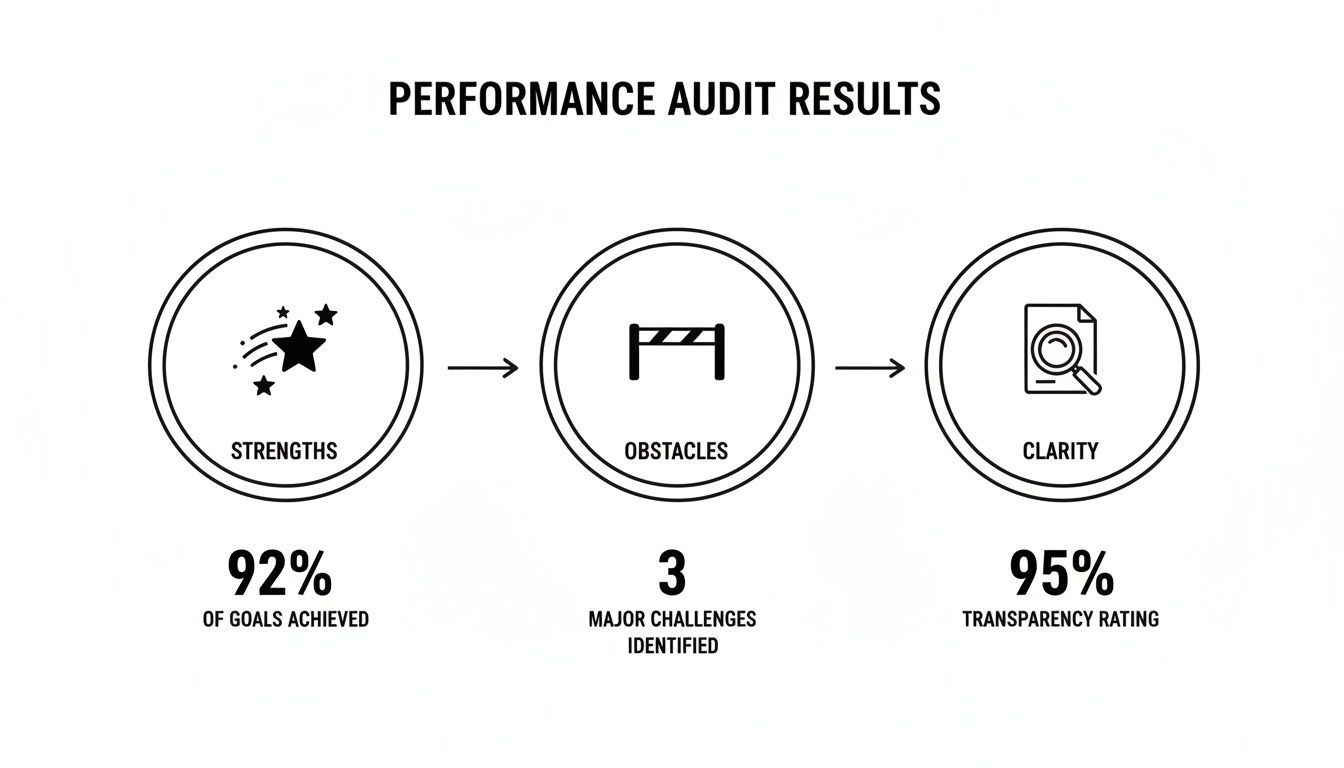
This kind of audit helps you see exactly where to direct your energy to build the right habits.
The Non-Negotiable 'Big Three' for Cognitive Function
No amount of time-management wizardry can overcome a brain and body running on empty. Sleep, nutrition, and exercise aren't luxuries; they are the biological prerequisites for focus, memory, and emotional resilience.
Neglecting them is like trying to run sophisticated software on outdated, failing hardware. It simply won't work for long.
The Power of Restorative Sleep
Sleep is when your brain cleans house. It consolidates memories, clears out metabolic junk, and prepares for the next day's cognitive demands. Chronic sleep deprivation impairs attention and decision-making to a degree comparable to being intoxicated.
- Aim for Consistency: Strive for 7-9 hours of quality sleep per night. Going to bed and waking up around the same time—even on weekends—is key to regulating your body's internal clock.
- Create a Wind-Down Routine: An hour before bed, dim the lights and put away all screens. The blue light from phones and laptops actively suppresses melatonin, making it harder to fall asleep.
Fueling Your Brain with Smart Nutrition
The food you eat directly impacts your energy and mental clarity. A diet high in processed foods and sugar leads to energy crashes and brain fog, effectively sabotaging your afternoon productivity.
Think of your meals as fuel for your brain. Focus on a balanced plate:
- Complex Carbs (oats, brown rice) for sustained energy.
- Lean Proteins (chicken, fish, beans) for neurotransmitter production.
- Healthy Fats (avocados, nuts, olive oil) for brain health.
And don't forget water. Even mild dehydration can tank your concentration and bring on fatigue. Keep a water bottle on your desk as a constant, simple reminder.
Exercise as a Productivity Tool
You don’t need to run a marathon to reap the cognitive rewards of exercise. Regular physical activity boosts blood flow to the brain, improving memory and processing speed. It also releases endorphins, which are natural mood elevators and potent stress relievers.
A brisk 30-minute walk during your lunch break can be a far more effective productivity tool than slugging through another hour at your desk. It resets your mind, sparks creativity, and fights off the lethargy that comes from sitting all day.
Integrating these foundational habits might seem like a lot, but it's absolutely essential for anyone looking to learn how to stay motivated at work for the long haul.
Mastering Your Environment and Communication

Your physical and digital surroundings have a massive impact on your ability to perform. A cluttered desk or a chaotic digital workspace creates constant, low-level friction, draining the mental energy you need for important tasks. If you want to improve your work performance, optimizing your environment is a non-negotiable first step.
The goal here is to reduce the mental load from constant context-switching. Every notification, misplaced file, or unnecessary item on your desk forces your brain to make a micro-decision, pulling focus away from deep work. Taming this chaos is about more than just being tidy; it's about engineering a space where focus is the path of least resistance.
Designing a High-Performance Workspace
Your workspace, whether at home or in an office, should serve your productivity, not fight against it. A few simple adjustments can make a world of difference in minimizing distractions and streamlining your workflow.
Start with your physical space. A clean desk really does lead to a clear mind. Keep only the absolute essentials within arm's reach—whatever you need for the task at hand. Everything else should have a designated home, preferably out of sight.
Next, tackle your digital environment. A logical file system can save you countless minutes that you'd otherwise spend searching for documents. Use a clear, consistent naming convention and folder structure. More importantly, silence the noise by turning off all non-essential notifications on your computer and phone.
Practical Environmental Tweaks:
- Implement a "Weekly Reset": Set aside 15 minutes at the end of each week to clear your physical desk, organize your digital desktop, and close out unnecessary browser tabs. It’s a game-changer.
- Use Digital Tools Wisely: Get comfortable with "Do Not Disturb" or focus modes on your devices. Use them during deep work blocks to create an impenetrable shield against interruptions.
- Optimize Your Ergonomics: Make sure your chair, desk, and monitor are set up to support good posture. Physical discomfort is a potent—and totally unnecessary—distraction.
The Overlooked Pillar of Communication
Beyond your immediate surroundings, the way you communicate is a powerful lever for performance. Let's be honest: unclear emails, aimless meetings, and ambiguous feedback are some of the biggest sources of wasted time and effort in any organization.
Proactive, clear communication prevents misunderstandings, aligns expectations, and eliminates the need for endless follow-ups. In a world where employee engagement is plummeting—Gallup's 2025 report found it's down to just 21%—this is more critical than ever. Clear communication is central to reversing that trend.
Clear communication isn't about writing longer emails or talking more. It's about ensuring the recipient understands your intent and knows exactly what is expected of them with minimal effort.
To sharpen your skills, start with your emails. Make subject lines descriptive and your opening sentence direct. Use bullet points or numbered lists to break up complex info and bold key takeaways or deadlines. To really dig in, check out this comprehensive guide to mastering email productivity.
Meetings are another black hole for productivity. A meeting without a clear agenda and desired outcome is a waste of everyone's time. Insist on a purpose for every meeting you attend, and always end with a summary of decisions and next steps. This simple discipline can reclaim hours in your week.
Finally, one of the most powerful performance skills is learning to set and protect your boundaries. This means getting comfortable saying "no" to non-essential requests, blocking off "focus time" on your calendar, and communicating when you are unavailable. Protecting your time to do meaningful work isn’t selfish; it’s essential for delivering your best results.
Leveraging Smart Tools and Natural Support
Once you've built a solid foundation of habits, you have the raw energy for high performance. But the right tools? They act as a force multiplier, channeling that energy into real, tangible output.
It's easy to get lost in the noise of new apps and platforms. The goal isn't to adopt every shiny new piece of tech. It’s about mindfully choosing tools that solve specific bottlenecks in your workflow. A good project management tool, for instance, can instantly transform a chaotic inbox into a clear, actionable plan. A simple focus app can help you reclaim the deep work sessions that truly move the needle.
The Rise of AI in Personal Productivity
Artificial intelligence has quickly moved from a buzzword to a practical assistant for anyone looking to work smarter. Used correctly, AI can draft emails, summarize dense reports, brainstorm ideas, or even write code snippets. This offloads the repetitive mental work, freeing you up to focus on strategy and creative problem-solving.
This isn't just a small improvement; the impact is huge. By 2025, about 40% of US employees are using AI at work, and the results speak for themselves. Nearly three-quarters of users report that AI helps them work faster and produce better quality work.
Globally, employees are saving an average of 3.6 hours each week through automation. Even more telling, the most productive workers are 242% more likely to be using AI than their peers. You can learn more about the impact of AI on employee productivity and how it's reshaping the modern workflow.
Bridging External Tools with Internal Support
While smart tools are invaluable, they only solve one side of the performance puzzle. The most sustainable way to improve your output is to also support your internal systems—specifically, your brain's own neurochemistry. Just like you organize your digital workspace, you can support the biological hardware that powers your motivation and focus.
This is where responsible, evidence-based supplementation can play a role in a holistic strategy. Your drive, focus, and even the satisfaction you get from your work are all heavily tied to the neurotransmitter dopamine. When your dopamine pathways are working well, you naturally feel more motivated, engaged, and capable of sustained effort.
Think of it this way: You use a calendar to manage your time and an app to organize your tasks. Supporting your brain’s dopamine system is about managing your most fundamental resource—your motivation and drive.
Supporting Your Brain’s Motivation System
Certain natural compounds can offer support for these crucial neurological systems. For example, Mucuna pruriens is an adaptogenic herb that contains L-Dopa, a direct precursor to dopamine. By providing the raw material your brain needs, a high-quality Mucuna L-Dopa supplement can help support healthy dopamine levels.
For many, this translates into noticeable improvements in:
- Motivation and Drive: A stronger sense of purpose and eagerness to take on challenging work.
- Focus and Concentration: An easier time staying on task and tuning out distractions.
- Mood and Well-being: A more positive outlook and a greater sense of reward from your accomplishments.
Of course, it's critical to approach this thoughtfully. Always choose high-potency, standardized supplements from a reputable source to ensure you're getting a consistent and effective dose. Start with a low amount to see how you respond, and always consult with a healthcare professional before adding any new supplement to your routine—especially if you have existing health conditions or take other medications.
To dive deeper, check out our guide on natural supplements for focus and energy. By combining smart external tools with targeted internal support, you create a powerful system for achieving peak performance day in and day out.
Questions You Might Have Along the Way
Even the best-laid plans run into real-world friction. It's totally normal for questions to pop up once you start putting this stuff into practice. Think of this section as your quick guide for navigating those inevitable bumps in the road.
We’ll cover some of the most common hurdles, from motivation dips to dealing with tricky colleagues, and give you clear, actionable advice to get you back on track.
How Can I Get Motivated When I Feel Completely Stuck?
We’ve all been there—staring at a task and feeling zero drive. Forcing yourself to "just push through" is a fast track to burnout. The real solution is to downshift and create a tiny win to get the ball rolling again.
Forget about the mountain; focus on the first pebble. Instead of "Write the quarterly report," make your goal "Open the document and write one sentence." That's it. This makes the barrier to entry so low it's almost impossible not to do it.
The funny thing is, starting is usually the hardest part. Once you knock out that first tiny step, the next one suddenly feels doable. Celebrate that small win, then figure out the next tiny step. This simple process starts rewiring the connection between effort and reward in your brain, slowly but surely rebuilding your natural motivation.
What If a Colleague Is Dragging Down My Performance?
Your performance isn't an island. A teammate who constantly misses deadlines, communicates poorly, or is just plain distracting can absolutely torpedo your own work. The key is to handle it with a direct, tactful approach that centers on shared goals, not personal blame.
Always start by assuming good intentions. Frame the conversation around the work itself, not their failings. For example, try saying something like, "Hey, to help me plan my part of the project, it would be a huge help to get your updates by our agreed-upon time. Is there anything I can do on my end to make that easier?"
A Few Pointers for That Conversation:
- Be Specific: Mention a concrete example, like a specific missed deadline or a confusing email.
- Explain the Impact: Clearly state how their action affects you (e.g., "When I get the data late, I have to rush my analysis and the quality suffers.").
- Suggest a Fix: Propose a simple solution, like a quick daily check-in or using a shared task board.
If that doesn't work, document the impact on your work and calmly bring it up with your manager. Present it as a workflow problem you're trying to solve, not a complaint about a person.
How Often Should I Actually Be Measuring My Progress?
Tracking your progress is critical, but obsessing over it daily can be just as bad as not tracking it at all. The right rhythm really depends on your goals.
The point of measuring isn't just to see if you won or lost. It's about collecting feedback so you can make smarter moves tomorrow. Without it, you’re just flying blind.
Here’s a balanced schedule that works for most people:
- Daily Check-in (5 minutes): At the end of each day, glance at your top priorities. Did you move the needle? What’s the #1 thing you need to accomplish tomorrow?
- Weekly Review (30 minutes): Set aside a block on Friday to look back at the week. What worked? Where did you get stuck? Use those insights to adjust your plan for the week ahead.
- Monthly Retrospective (1 hour): This is your chance to zoom out. Review your bigger goals. Are you still on track? Do your priorities need to change? This ensures your daily hustle is actually aligned with your long-term ambitions.
Do Natural Supplements Actually Work for Performance?
Natural supplements can be a great piece of the puzzle, but they aren't a magic fix. Think of them as amplifiers for the solid foundational habits we’ve talked about—good sleep, nutrition, and focused work.
For example, a supplement like Mucuna L-Dopa works by supporting your brain's natural dopamine pathways, which are the engine for motivation and drive. It gives your brain the raw materials it needs to run smoothly, just like quality food fuels your body for a workout.
But they work best when your core routines are already in place. A supplement can help sharpen your focus, but it won't organize your calendar for you. The smartest approach is to build your foundational habits first, then consider adding a high-quality, evidence-based supplement to enhance your efforts. And, of course, always chat with a healthcare professional before starting anything new.
At Keter Wellness, we believe in supporting performance from the inside out. Our high-potency Mucuna L-Dopa 20% is designed to provide consistent, reliable support for your natural motivation and focus.
Learn more about our standardized, filler-free formula at Keter Wellness
Leave a Reply