

To beat brain fog, you have to attack it from multiple angles. This isn't about one magic fix; it's about addressing the root causes through a combination of better sleep, smarter nutrition, stress management, and regular movement. These are the cornerstones that work together to bring your brain back into balance and sharpen your cognitive function.
Understanding What Brain Fog Really Feels Like

Let's be real—"brain fog" sounds less like a medical condition and more like you're trying to think through a thick layer of sludge. It’s that awful moment you lose a colleague's name right in the middle of a sentence, or when you find yourself rereading the same email for the third time without absorbing a single word.
If that sounds familiar, you’re definitely not alone. This mental cloudiness is incredibly common in our always-on, high-demand world. It hits everyone from professionals juggling deadlines to students and parents just trying to keep up.
This isn't a character flaw or a sign you're lazy. Think of it as a signal flare from your brain. It's telling you something is out of balance and your internal resources are running low.
The Real-World Impact of Mental Cloudiness
Brain fog isn't just a feeling; it has tangible effects that can seriously disrupt your day. Pinpointing these symptoms is the first real step toward clearing the haze.
Most people experience it in a few key ways:
- Difficulty Concentrating: Trying to focus on a single task feels impossible. Your mind wanders off, especially when working on complex projects that need your full attention.
- Short-Term Memory Lapses: You're constantly misplacing your keys, forgetting appointments, or struggling to remember details from a conversation you just had.
- Slowed Thinking: It feels like your mental processor has been downgraded. Problem-solving and making decisions become frustratingly slow and difficult.
- Mental Exhaustion: Just the act of thinking feels draining. You don't have the mental energy for creative or strategic tasks that you used to enjoy.
These aren't just minor annoyances. They can drag down your performance at work, put a strain on your relationships, and generally lower your quality of life. Figuring out how to improve mental clarity is crucial for getting back on track.
Brain fog is your brain’s way of signaling an imbalance. Things like inflammation, chronic stress hormones, and neurotransmitter issues can mess with the clean communication between your brain cells. That’s what creates that sluggish, confused feeling.
To help you get a clearer picture of what you might be experiencing, here’s a quick summary of the most common signs.
Quick Guide to Identifying Brain Fog Symptoms
| Symptom Category | Common Examples |
|---|---|
| Cognitive Slowdown | Difficulty processing information, slow to respond, trouble making decisions. |
| Memory Issues | Forgetting names, misplacing items, struggling to recall recent events. |
| Lack of Focus | Easily distracted, unable to concentrate on one task, mind feels "scattered." |
| Mental Fatigue | Feeling mentally drained, even after rest; thinking feels like a chore. |
| Communication Trouble | Difficulty finding the right words, stumbling over sentences, disorganized thoughts. |
Recognizing your specific symptoms in this table can help you start connecting the dots and figuring out where to focus your efforts.
A Growing Global Concern
That feeling of mental sluggishness has become a massive issue, especially over the last few years. Brain fog cases have surged since early 2020, affecting millions and turning simple daily tasks into exhausting challenges.
Recent reports estimate that around one million working-age adults in the U.S. now struggle with severe cognitive issues like memory lapses and poor concentration. It's a global problem, too. A survey of over 25,000 people found that more than 28% reported experiencing brain fog, showing just how widespread this has become.
Mastering the Four Pillars of Mental Clarity

To really get a handle on brain fog, you need to build a solid foundation. Think of your mental clarity like a sturdy table—if one of its four legs is wobbly, the whole thing becomes unstable.
Those four legs are Nutrition, Sleep, Movement, and Stress Management. When one area is lacking, the others have to compensate, which often leads to that all-too-familiar mental burnout. But by reinforcing each one, you create a resilient system that keeps your brain firing on all cylinders.
Fuel Your Brain with Smart Nutrition
The food you eat does more than just power your body; it provides the literal building blocks for your brain’s neurotransmitters. A diet heavy in processed foods, sugar, and unhealthy fats can kick off inflammation and oxidative stress, two of the biggest culprits behind brain fog.
This isn't about some miserable, restrictive diet. It’s about strategically adding foods that actively protect and nourish your brain. Complementing a brain-healthy diet with effective strategies to improve focus and master your attention can make a world of difference.
Here are the non-negotiables for a clearer mind:
- Omega-3 Fatty Acids: Think fatty fish like salmon, walnuts, and flaxseeds. These fats are critical for building healthy brain cell membranes and have powerful anti-inflammatory properties.
- Antioxidant-Rich Berries: Blueberries, strawberries, and blackberries are loaded with flavonoids, which help shield brain cells from damage and improve how they communicate with each other.
- Leafy Greens: Spinach, kale, and other greens deliver brain-boosting nutrients like folate, vitamin K, and lutein, all of which support memory and processing speed.
- Complex Carbohydrates: Foods like quinoa, oats, and sweet potatoes give your brain a steady stream of glucose—its main fuel source—without the sharp crashes that come from simple sugars.
A simple rule I follow is to "eat the rainbow." Those vibrant colors in fruits and veggies are a sign of different antioxidants, each offering unique cognitive benefits.
Don't forget about water, either. Even mild dehydration can mess with your attention and memory. Make it a habit to sip water throughout the day, not just when you feel parched.
Prioritize Restorative Sleep
Sleep is when your brain does its most important housekeeping. During deep sleep, it runs a "rinse cycle" to clear out metabolic junk that builds up while you're awake. Cut that process short, and those toxins hang around, leading directly to that sluggish, foggy feeling the next morning.
The key is improving sleep quality, not just quantity. That all starts with good sleep hygiene—creating a routine and environment that signals to your body it’s time to rest.
Try these practical steps:
- Keep a Consistent Schedule: Going to bed and waking up around the same time every day (yes, even on weekends) works wonders for regulating your body's internal clock.
- Create a Wind-Down Ritual: An hour before bed, put the phone away. Read a real book, do some light stretching, or listen to calming music to ease the transition to sleep.
- Optimize Your Bedroom: Keep your room cool, dark, and quiet. I’ve found that blackout curtains and a white noise machine can be game-changers.
And, of course, avoid caffeine and big meals too close to bedtime. They can seriously interfere with your ability to fall and stay asleep. Poor sleep is one of the fastest ways to bring on brain fog, so this pillar is non-negotiable.
Get Moving to Clear the Cobwebs
Physical activity is one of the most potent tools we have for boosting cognitive function. Exercise gets blood flowing to the brain, delivering a fresh supply of oxygen and nutrients. It also triggers the release of BDNF (brain-derived neurotrophic factor), a protein that helps grow new neurons and protect the ones you already have.
You don't need to run a marathon to get these benefits. Consistency is what matters most.
Actionable Movement Tips:
- Start Small: A brisk 15-20 minute walk on your lunch break can be enough to sharpen your focus for the rest of the afternoon.
- Try "Movement Snacks": Every hour, get up for a couple of minutes to do some jumping jacks, squats, or stretches. It breaks up the stagnation and keeps your brain alert.
- Find Something You Actually Enjoy: Whether it’s dancing, hiking, or yoga, you're far more likely to stick with it if it doesn't feel like a chore.
The link between moving your body and clearing your head is immediate and powerful. Even a short burst of activity is a perfect antidote when you feel the fog rolling in.
Manage Stress and Mental Overload
Chronic stress is a huge driver of brain fog. When you’re constantly on edge, your body is swimming in cortisol. Over time, high levels of this stress hormone can actually damage cells in the hippocampus—your brain’s memory hub. The result? Trouble concentrating, memory slips, and that feeling of being mentally drained.
You can't always eliminate stress, but you can learn to manage your response to it. This is where building a toolkit of stress-reduction techniques comes in. Many people find that practicing natural ways to improve focus and concentration also helps lower their overall stress.
Try weaving these simple practices into your day:
- Mindful Breathing: Feeling overwhelmed? Stop and take five deep, slow breaths. Inhale for four counts, hold for four, and exhale for six. This simple act flips the switch on your nervous system, promoting calm.
- Scheduled Digital Detox: Carve out screen-free time each day, like the first hour after waking and the last hour before bed. It gives your brain a desperately needed break from constant pings and alerts.
- Time in Nature: Just 20 minutes in a natural setting can significantly lower cortisol levels. A walk in the park or even just sitting near a window with a green view can be incredibly restorative.
By actively managing these four pillars—Nutrition, Sleep, Movement, and Stress—you create a powerful synergy that pushes back against brain fog, paving the way for lasting mental clarity.
Using Targeted Support to Boost Brainpower

Once you’ve built a solid foundation with diet, sleep, and stress management, you might still feel like you need an extra edge to sharpen your focus. This is where targeted natural support can act as a powerful amplifier, working with your lifestyle changes to help clear away that last bit of haze.
Sometimes, brain fog isn’t just about being tired—it can stem from a deeper imbalance in your brain’s chemistry. Neurotransmitters are the chemical messengers that run the show, governing everything from your mood to your motivation. Dopamine, in particular, is the "get up and go" molecule that drives focus, reward, and the ability to stay on task.
When your dopamine levels are low, even simple chores can feel like climbing a mountain. This is where certain natural compounds can offer real support by giving your brain the raw materials it needs.
Tapping into Nature’s Dopamine Precursor
One of the most effective compounds for this comes from the Mucuna pruriens plant, a tropical legume also known as velvet bean. This plant is a rich, natural source of a compound called L-Dopa.
What makes L-Dopa so special? It's the direct precursor to dopamine. In simple terms, your brain takes L-Dopa and converts it straight into the dopamine it needs to function at its best. This creates a much more direct pathway to supporting your brain’s motivational circuits.
The real challenge with any natural support is consistency. A standardized extract ensures you get a reliable, predictable amount of the active compound in every single dose, taking the guesswork out of it.
This is a key reason why choosing a high-quality supplement is so important. A non-standardized powder might have wildly different levels of L-Dopa from one batch to the next, which means you'll get inconsistent results.
Choosing a Potent and Pure Formula
When you're looking for supplements to beat brain fog, purity and potency should be your top priorities. A lot of products on the market contain low concentrations of L-Dopa or are packed with unnecessary fillers, binders, and artificial ingredients that can actually get in the way of the benefits.
A high-quality formula, like Keter Wellness’s 700 mg filler-free supplement, is standardized to 20% L-Dopa. This guarantees you’re getting a potent and effective dose designed to deliver tangible support for mental clarity and drive.
When you choose a clean formula, you're not just investing in what's inside the capsule; you're also making sure you avoid what isn't.
- No Unnecessary Fillers: Your body gets only the active ingredient, without needless additives that could interfere with absorption.
- Standardized Potency: You receive a consistent dose every time, which lets you accurately gauge its effects.
- Transparent Sourcing: Reputable brands prioritize clean sourcing and manufacturing, giving you confidence in the product's safety.
This thoughtful approach is part of a larger strategy. If you're interested in a broader view, you can explore our guide on the best supplements for mental clarity to see how different compounds can work together.
Integrating Supplements Responsibly
Even with natural products, a smart, responsible approach is crucial for both safety and success. Adding any new supplement to your routine should be a deliberate process, not a rushed decision.
Imagine trying to power through your day when you're one of the millions struggling with that mental cloud. It's a widespread issue. A significant study found that 28.2% of over 25,000 adults reported experiencing brain fog. For those with long COVID, a staggering 87.8% still report at least one symptom after two years, linking the severity directly to cognitive decline.
This reality highlights the need for effective, safe solutions. Before starting any supplement, especially one as targeted as Mucuna pruriens, it’s critical to talk with your healthcare professional. They can review your personal health history, check for potential interactions with medications, and help you determine the right starting dose.
This conversation is non-negotiable if you are pregnant, nursing, or managing a pre-existing condition. A professional can provide personalized guidance to ensure that you’re adding support in a way that is both safe and beneficial for your unique needs. By partnering with your doctor, you can confidently integrate natural supplements as part of your comprehensive plan to overcome brain fog and reclaim your mental sharpness.
A Practical Daily Routine for a Clearer Mind
Theory is one thing, but action is what really clears the fog. The best defense against mental exhaustion is a structured—but still flexible—daily routine. It turns all that good advice into concrete habits you can actually stick with.
This isn’t about a rigid, unforgiving schedule. Think of it as a customizable template, designed to weave fog-fighting strategies into your life seamlessly. The goal is to create small, intentional moments that support your brain. One small action at a time, the cumulative effect can be profound.
Morning Kickstart for Cognitive Function (7:00 AM – 9:00 AM)
How you start your morning sets the tone for the rest of the day. The biggest game-changer? Resisting the urge to grab your phone the second you wake up. Instead, focus on rehydrating your brain and body after a long night.
Start with a big glass of water, maybe with a squeeze of lemon. While you’re sipping, get 10-15 minutes of natural sunlight by stepping outside or just sitting near a bright window. This simple act helps reset your internal clock, telling your brain it's time to be alert.
Follow that with a light, protein-rich breakfast. Think eggs, or Greek yogurt with berries. This gives you a steady stream of energy, avoiding the inevitable crash that comes from sugary cereals.
Midday Maintenance and Slump Prevention (10:00 AM – 2:00 PM)
The mid-morning and post-lunch hours are prime time for brain fog to set in. Instead of reaching for another coffee that might lead to jitters and an afternoon crash, you can be more strategic.
Try a five-minute "movement snack" around mid-morning. It could be a few simple stretches at your desk, a quick walk up and down a flight of stairs, or even a few jumping jacks. This little burst of activity boosts blood flow to your brain and works like an instant reset button for your focus.
After you eat lunch, don't just dive right back into demanding work. A short 10-15 minute walk can do wonders for digestion and help you sidestep that dreaded post-meal slump. It helps stabilize your blood sugar and re-energizes your mind for the afternoon.
Winding Down with a Digital Sunset (7:00 PM Onward)
Your evening routine is just as important as your morning one, because it directly sets the stage for restorative sleep. The constant glow from our screens keeps the brain in a state of high alert, making it tough to transition into rest mode.
A "digital sunset" is a conscious decision to power down screens at least 60-90 minutes before bed. This cuts your exposure to blue light, which can mess with melatonin production, and gives your mind a much-needed break from the constant stream of information.
Use this screen-free time to do something relaxing. Read a physical book, listen to some calming music, or do some light stretching.
If you struggle with a racing mind at night, consider the brain dump journal method. It’s a simple but powerful practice of writing down any lingering thoughts, worries, or to-do list items. This helps clear your head, preventing anxious thoughts from getting in the way of your sleep.
This structured wind-down is a clear signal to your brain that the day is over. It’s your ticket to deeper, more restorative sleep—the ultimate weapon against brain fog.
When Your Best Efforts Are Not Enough
So, you’ve been doing everything right. You’re managing your diet, prioritizing sleep, and keeping stress in check, but that frustrating mental haze just won't clear. It’s a common scenario, and it can leave you wondering what you’re missing.
When those foundational lifestyle changes aren’t cutting it, it’s often a sign that a deeper issue needs your attention. It’s time to play detective with your health and look for the less obvious culprits that might be sabotaging your progress. Sometimes, the problem lies just beneath the surface, hidden in plain sight.
Uncovering Hidden Triggers
Persistent brain fog can be a symptom of an underlying imbalance that a healthy lifestyle alone can’t fix. Your body might be sending you subtle signals that are easy to miss if you don't know what to look for.
Let's dig a little deeper into what might be going on:
- Food Sensitivities or Intolerances: Beyond general nutrition, specific foods like gluten, dairy, or even soy can trigger an inflammatory response in some people, directly impacting cognitive function. This isn't about eating "unhealthy" food; it's about food that's not right for your body.
- Hormonal Imbalances: Our brains are incredibly sensitive to hormones. Fluctuations in thyroid hormones, cortisol (the stress hormone), or sex hormones can throw everything off, affecting mental clarity, energy, and memory.
- Chronic Inflammation: Think of this as a low-grade fire smoldering in your body. It can come from autoimmune conditions, hidden infections, or gut health issues, and it's a major driver of brain fog.
- Nutrient Deficiencies: Even with a picture-perfect diet, you could still be low in key brain nutrients. Things like Vitamin B12, iron, magnesium, or omega-3s are absolutely critical for your brain to perform at its best.
This flowchart is a simple tool to help you think through some of these common triggers and decide on your next steps.
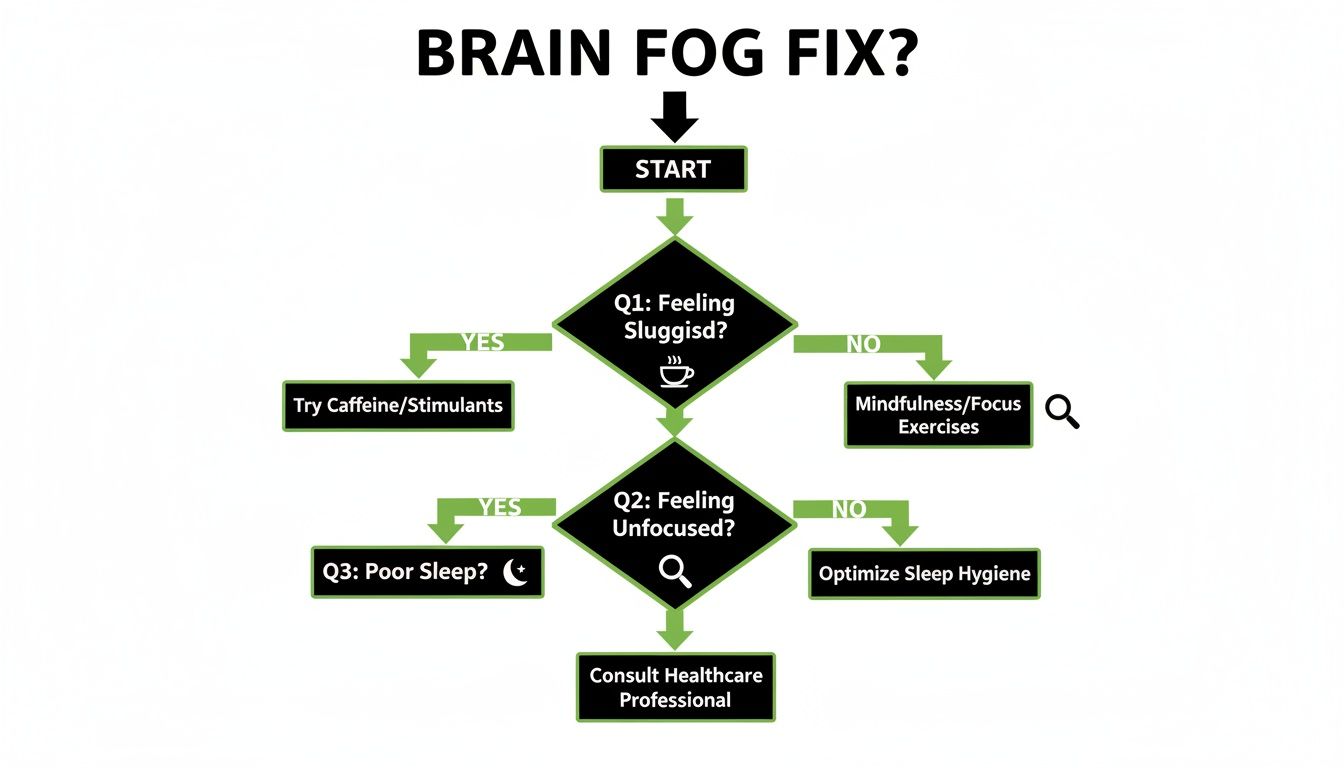
It guides you through assessing symptoms like sluggishness and poor sleep to help you start connecting the dots.
Knowing When to Call a Doctor
While self-troubleshooting is empowering, there’s a point where you need to bring in a professional. Certain symptoms are red flags, signaling it’s time to stop guessing and start getting real answers from a healthcare provider.
Your intuition about your own body is powerful. If you feel that something is fundamentally "off" despite your best efforts, that is more than enough reason to seek a professional medical opinion.
Don't hesitate to book an appointment if you experience any of these:
- Sudden or Severe Cognitive Changes: We're not talking about forgetting your keys. This is an abrupt and significant decline in memory, focus, or an increase in confusion that disrupts your daily life.
- Unexplained Neurological Symptoms: Things like severe headaches, dizziness, numbness, tingling sensations, or new problems with your balance and coordination.
- Brain Fog Plus Other Physical Issues: Is the fog accompanied by unexplained weight loss or gain, extreme fatigue that isn't solved by rest, or changes in your heart rate?
- You've Tried Everything with No Improvement: If you’ve given the lifestyle changes a real shot for several weeks and see zero progress, it’s time for a deeper look. A doctor can order tests to check for what’s really going on under the hood.
A doctor can run blood tests for hormonal imbalances, nutrient deficiencies, and markers of inflammation. Being your own health advocate means knowing when to bring in an expert to help you finally find the clarity you deserve.
Common Questions About Beating Brain Fog
Even with a solid plan, it's normal to have questions pop up as you start making changes. When you're trying to clear the mental cobwebs, the day-to-day details matter. This section tackles some of the most common questions we hear, giving you practical answers to keep you moving forward.
Think of this as your quick-reference guide for when you need a straight answer to fine-tune your approach.
How Long Does It Take to Notice a Difference?
This is probably the number one question, and the honest answer is: it depends. But you can generally expect to see progress in stages.
Many people report feeling small but definite improvements in their energy and mental sharpness within the first one to two weeks. This is especially true when they get serious about sleep hygiene and cleaning up their diet.
More significant shifts in focus, memory, and that feeling of being "on" usually become more obvious after four to six weeks. This is the timeframe it takes for your body and brain to truly adapt to new habits and start repairing on a deeper level. If you're adding something like Mucuna pruriens, you might feel a lift in motivation sooner, but the real cognitive benefits are best judged after a month of consistent use.
The key is consistency, not intensity. Small, daily wins add up to create huge changes over time. Don't get discouraged if you don't feel a massive shift overnight. You're building a foundation for long-term brain health.
Can Certain Foods Really Make Brain Fog Worse?
Absolutely. The gut-brain connection is incredibly real, and some foods are notorious culprits for that foggy feeling. Highly processed junk, refined sugar, and too much alcohol are well-known for causing inflammation and blood sugar spikes that directly mess with your brain's energy supply.
But beyond the usual suspects, personal food sensitivities can be a game-changer. It's not uncommon for someone to discover that a seemingly harmless food is a major trigger, even if it doesn't cause obvious stomach issues.
Common Dietary Triggers to Watch For:
- Gluten: Found in wheat, barley, and rye. It can kick off an inflammatory response in people who are sensitive to it.
- Dairy: Sensitivities to lactose or casein are common and can leave you feeling sluggish and mentally dull.
- Artificial Sweeteners: Some research suggests certain non-nutritive sweeteners can interfere with cognitive function in some individuals.
A simple but powerful tool is a food and symptom journal. Just track what you eat and jot down how you feel an hour or two later. After a couple of weeks, you'll start to see patterns and can pinpoint your personal dietary triggers.
Is It Safe to Take Mucuna L-Dopa Every Day?
For most healthy adults, taking a standardized Mucuna L-Dopa supplement daily is generally considered safe, provided you follow the recommended dosage. In fact, consistency is often key to supporting healthy dopamine levels for better motivation and focus. Your brain really does appreciate a steady supply of what it needs to function well.
That said, safety always comes first. It is essential that you speak with your healthcare provider before starting Mucuna or any new supplement. This step is non-negotiable, especially if you have a pre-existing health condition, take other medications (particularly for mood or neurological issues), or are pregnant or nursing.
Your doctor can give you the green light, confirm it’s a good fit for you, and make sure it won’t interact with anything else. This professional partnership allows you to add natural support to your routine safely and with confidence.
At Keter Wellness, we're all about empowering your journey to mental clarity with pure, potent, and transparent herbal solutions. Our filler-free Mucuna L-Dopa 20% is crafted to give you reliable support for focus and motivation. See how high-quality, targeted supplementation can amplify your lifestyle changes at /.
Leave a Reply